

Home/Buying
Buying a Home inCentral Florida
A home is a decision about where your days happen — the drive, the street, the payment, the room you actually use. Henry Mejia helps buyers across Orlando and Central Florida work through those decisions in order, so the house you choose still makes sense a year from now.
Finding the right home starts with the right guidance
Most home searches begin the same way: an app, a map, a price filter, and a few hundred photos. That is a fine place to start, and a poor place to make a decision. Listings tell you what a house costs. They do not tell you what it costs to own, how the street behaves at 7am, which floor plan you will resent in two years, or what a seller is likely to accept.
CFL Realty Solutions is small on purpose. You work with Henry directly — not a rotating team, not whoever is on floor duty. That means the person who hears what you are trying to do is the same person walking the house with you, reading the inspection report, and sitting across from the other agent during negotiation.
The first conversation is not a showing. It is a conversation about budget, timing, commute, the kind of property you actually want to maintain, and what would make you walk away. Search gets much shorter once those answers exist.
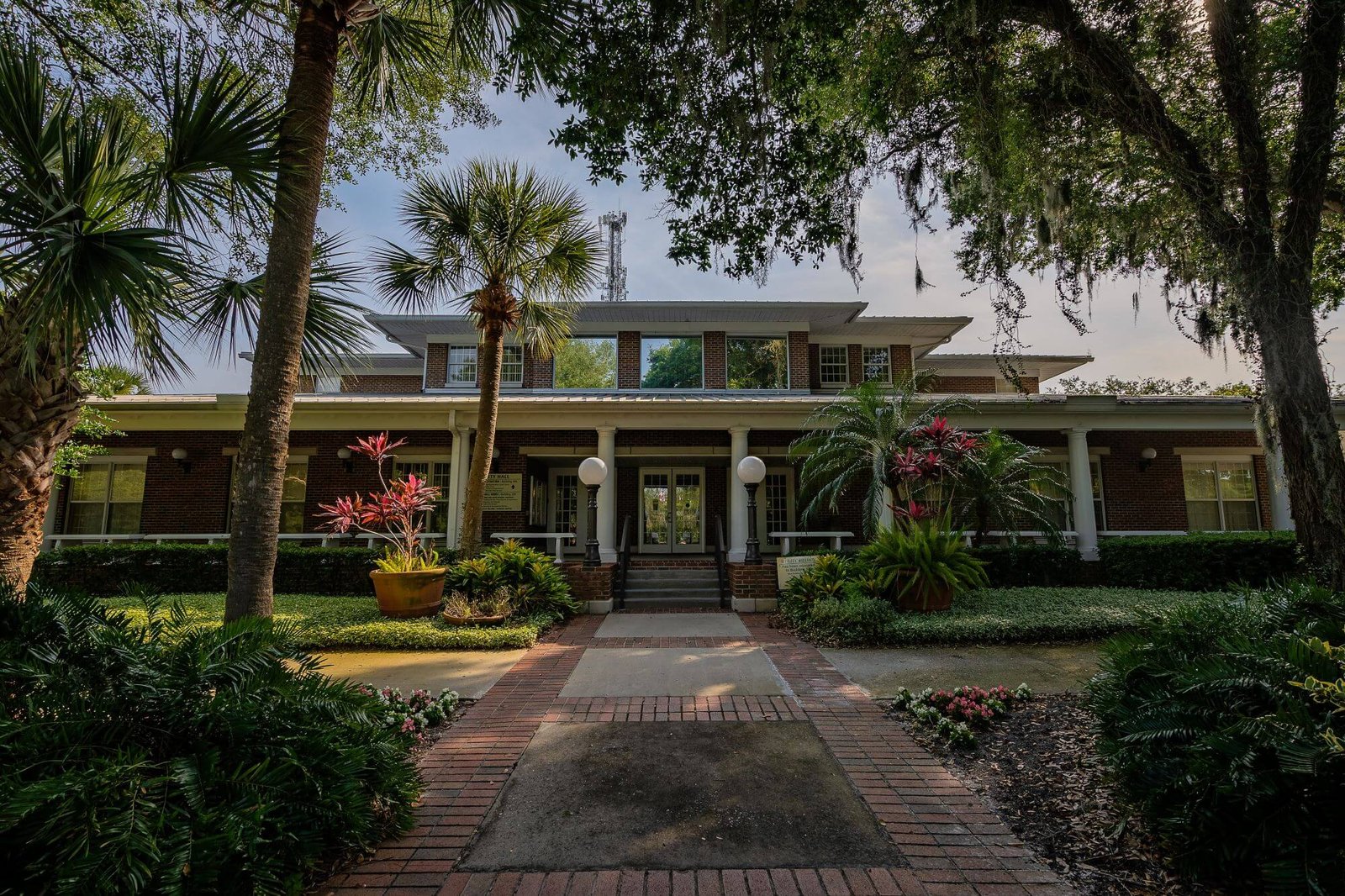
More than a home. The right location.
Central Florida is not one housing market. Within a forty-minute radius of downtown Orlando you will find historic brick streets, master-planned communities still under construction, lakefront neighborhoods, golf communities, working downtowns with their own identity, and rural acreage. Price, housing style, HOA structure, and daily logistics change considerably from one to the next.
Where you need to be
Employment centers, the airport, the medical corridor, the theme park corridor, I‑4 and the 417 and 429 beltways — all of it shapes which areas are realistic for you. We map your week before we map your search.
What is actually built there
Some areas are almost entirely newer construction. Others are mid‑century, or a mix of decades on the same block. That determines maintenance, insurance, renovation potential, and how much competition you face on a given listing.
The number after the mortgage
HOA or CDD structure, insurance, age of roof and systems, and property tax treatment differ by community and by property. Two homes at the same list price can carry very different monthly costs.
The buying process
No part of this is mysterious, and none of it has to happen all at once. Here is the order things generally go in, and what Henry is doing at each stage.
-
Understanding what you are actually solving for
Before any showings: what is prompting the move, what has to be true about the next place, what is negotiable, and what your realistic ceiling is — not the pre‑approval number, the number you are comfortable paying every month.
-
Financing and pre‑approval
A written pre‑approval from a lender who has reviewed your documents, not a rate-quote screenshot. It tells you what you can buy, and it is what makes your offer credible to a seller. If you would like introductions to lenders, Henry can provide options; you are never required to use anyone in particular.
-
Narrowing to a few areas
We look at a short list of communities against your commute, your budget, and the kind of property you want to own — usually by driving them, not just reading about them. Most buyers cut their search area in half at this stage.
-
The property search
Listings that fit get sent as they come up, including new construction where it belongs in the comparison. Showings are scheduled around your life. After each one you get an honest read — including when the answer is that the house has a problem you would inherit.
-
Offer and negotiation
Price is one term among many. Closing date, inspection and financing periods, repairs, seller concessions, and what happens if the appraisal comes in low all move the outcome. Henry reviews comparable sales with you before you commit to a number, then handles the negotiation.
-
Inspection through closing
Inspection, appraisal, survey, title work, insurance binding, walkthrough, and closing — each with a deadline in your contract. Henry tracks those dates, coordinates with the lender and title company, and tells you early when something needs a decision.
Relocating to Central Florida?
If you are moving here from another state or another country, the hard part is not finding listings. It is the context that residents take for granted: which areas are twenty minutes from what, where new construction is still going up and where it finished a decade ago, what a CDD assessment is and why it appears on a tax bill, how Florida insurance works, and which trade‑offs are worth making.
Henry works regularly with buyers relocating from across the United States and from abroad. His own background spans Colombia and the United States, and he came to real estate from a career in technology — so remote, document-heavy, time‑zone‑shifted transactions are familiar territory rather than an exception.
A relocation search usually starts with a conversation and a map, well before anyone books a flight.
- Orientation
- A plain-language tour of the region — where the employment centers, airports, hospitals, and universities sit relative to each other.
- Area shortlist
- Three or four communities matched to your commute, budget, and housing preferences, with the honest trade-offs of each.
- Remote tours
- Video walkthroughs and neighborhood drives when you cannot be here in person, so a trip is spent deciding rather than browsing.
- Trip planning
- House-hunting visits organized so the days are efficient and you see enough to compare fairly.
- New construction
- Builder communities included in the comparison, with representation of your interests at the model home. See New Construction.
- After closing
- Introductions to the local trades, services, and vendors every new owner ends up needing.
If this is your first purchase
These come up in almost every first conversation. None of them are silly questions.
Do I need to be pre‑approved before we start looking?
Not before the first conversation — but before the first showing, yes. It protects your time. Seeing homes above what you can comfortably carry makes everything afterward feel like a compromise, and in a situation with more than one offer, a seller will generally not take an offer without one seriously.
What does it cost to work with a buyer’s agent?
Buyer representation is agreed in writing before you tour homes, and the agreement states exactly how Henry is compensated and by whom. How much a seller contributes toward buyer-side compensation is negotiable and varies by transaction. Henry will walk you through the agreement and what it means in your situation before you sign anything.
How much do I need for a down payment?
It depends on the loan program, the property type, and your circumstances — and the down payment is only one part of what you need at closing. A lender can give you real numbers for your situation. Henry can point you to lenders who work in this market, but the figure has to come from them, not from a website.
What is a CDD, and why is it on this listing?
A Community Development District is a mechanism used in many newer Central Florida communities to finance infrastructure — roads, utilities, amenities. The assessment usually appears on the annual property tax bill and is separate from any HOA dues. It is not a reason to avoid a community; it is a reason to know the number before you make an offer.
Should I buy an existing home or something newly built?
Both are worth looking at, and the right answer depends on your timeline, how much you want to customize, and what you are willing to trade. Resale generally means established landscaping, a known neighborhood, and faster occupancy. New construction generally means choices, warranties, and waiting. We usually compare them side by side rather than deciding in advance.
How long does the whole thing take?
The search takes as long as it takes — some buyers find the house in a weekend, some look for months. Once a contract is signed, a financed purchase typically runs on a timeline set by the contract and the lender, with inspection and financing deadlines along the way. Henry will give you the specific dates in your contract rather than a general estimate.

Explore Orlando & Central Florida homes
Browse what is on the market right now, or start with a conversation about what you are trying to do. Either one works — there is no obligation attached to a first call.